
Our findings
Discover expert insights and industry trends to fuel innovation. Stay updated with the latest strategies and success stories.
Real AI Engineers Aren't Married to One Model
By Adil Gulzar · Sep 1, 2026 · 5 min read
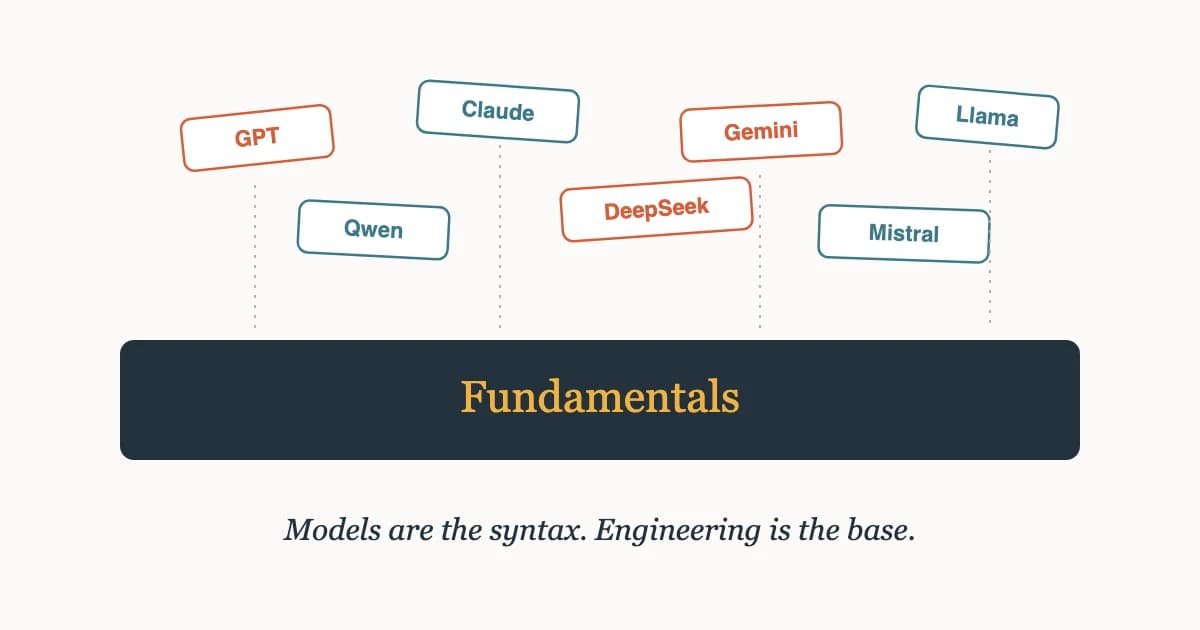
I have watched this exact argument three times in my career. Only the names change.
2008: "Which Language Is the Best?"
When I started development back in 2008, everyone wanted to be a great web developer. But most developers did not advocate for web development. They advocated for one specific language or framework. PHP people versus .NET people. Ruby believers versus everyone else. Endless forum threads about which one was "really the best."
My idea back then was simple, and honestly a bit unpopular: we should build knowledge of web development itself. HTTP, databases, architecture, how the browser actually works. Not marry one language. Languages and frameworks are mostly syntax. Syntax can be memorized, or looked up on Google in ten seconds. The base cannot.
So I did not try to become a PHP developer or a .NET developer. I tried to become a web developer. That decision has paid for itself every single year since.
Then the Mobile Boom: Same Movie, New Actors
A few years later, mobile apps exploded, and I watched the same film with a different cast. One camp swore by Android and Kotlin. The other camp swore by iOS with Objective-C and Swift. Then hybrid frameworks arrived and a brand-new war started: React Native or Flutter or Ionic, which one is "the future"?
My point did not change. Why not learn the fundamentals of mobile app development: app lifecycle, offline storage, performance on limited devices, store distribution. And treat the framework as what it really is: a replaceable layer on top?
The developers who bet everything on one framework had to start over when the market moved. The ones who understood mobile development just switched syntax and kept going.
Today: The AI Model Wars
Now I am seeing it a third time, and louder than ever.
One person says Claude is king. Another says no, OpenAI is the future. Someone else says the Chinese models are cheaper and better than both, so why pay Western prices? Scroll LinkedIn for five minutes and you will find people whose entire professional identity is defending one vendor.
Meanwhile, everyone is rushing to change their title to "AI Engineer." But in my honest opinion, very few of them have real, unbiased knowledge of how to utilize AI in the best way, independent of the model race.
Being an expert user of one company's chatbot does not make someone an AI engineer, the same way being fast at one PHP framework in 2008 did not make someone a software architect. It makes them a power user of a product. That is fine, but it is a different thing, and clients eventually feel the difference.
What "Fundamentals" Actually Means in the AI Era
In 2008, the replaceable part was the language. Today, the replaceable part is the model. The engineering around it is the skill. Here is what I consider the real base:
- Understanding how LLMs actually work. Tokens, context windows, temperature, why models hallucinate, what fine-tuning and RAG really do. Not at a PhD level, but at a level where you can predict how a model will behave and explain why to a client.
- Prompt and context engineering that transfers. Good prompting principles, such as clear structure, examples, constraints, and evaluation, work on Claude, GPT, Gemini, Llama, DeepSeek, all of them. If your "skill" only works inside one vendor's chat window, it is a feature of their product, not a skill of yours.
- Evaluating models on real tasks, not hype. Which model is "best" is the wrong question. Best for what? For this task, at this quality bar, at this latency, at this price per million tokens? An engineer runs the comparison. An advocate quotes a benchmark screenshot from Twitter.
- Building systems where the model is swappable. In every serious project we architect, the model sits behind an abstraction. When a better or cheaper model ships next quarter, and it will, it always does, we swap one component, rerun the evals, and move on. No rewrite, no panic, no religious crisis.
- Knowing when not to use AI. Sometimes a regex, a database query, or a simple rule beats an LLM on cost, speed, and reliability. Recognizing that is engineering. Forcing AI into everything is fandom.
The Pattern Behind All Three Waves
The tools changed three times in eighteen years. The wrong question, "which one is best?", never changed. And neither did the right answer: the people who learn the layer underneath the hype survive every wave, and the people who marry one tool have to remarry every few years.
Vendors want your loyalty. Your career, and your clients, need your judgment.
That is the approach we take at Mango Coders too. When a client comes to us for AI automation or AI consultation, we do not start with a favorite model. We start with their problem, then choose and test whatever combination of models and tools actually fits their quality needs and budget. The right tool per problem, not per fanbase.
The AI race between companies is real, and it is exciting to watch. But you do not have to pick a team. You have to pick a foundation.
Bringing AI into your product?
We have been building for the web since 2008, through the framework wars, the mobile boom, and now the AI wave. If you want AI in your business without betting everything on one vendor, that is exactly the kind of problem we enjoy.
Get a Free ConsultationBuilding it yourself with AI agents? Get your first week of code review free →
Written by Adil Gulzar
Adil has been building for the web since 2008, before most of the frameworks developers argue about today existed. As a CTO and solution architect, he has worked with 100+ entrepreneurs and shipped 50+ large-scale products, most of them long before AI made building look easy. Today he leads Mango Coders, where companies bring him in for the decisions they cannot afford to get wrong. He writes here between projects. His consultation calendar is deliberately small, so if you can get a slot, take it.
Building your product with AI agents? Get your first week of code review free →
Related Blogs

Open source is a term derived from OSS which is defined as open-source software. Open-source software or you can say its code is publicly accessible
Explore more
MongoDB launched in 2007 and became popular within a few years. Let’s discuss how MongoDB changed modern development practices.
Explore more
When you think of an online business you will come across the word SEO and most businesses are aware that SEO is necessary for success.
Explore more
Why is it now the time to learn UI & UX? User Interface (UI) is anything a user may interact with, and User Experience (UX) ensures it is smooth.
Explore more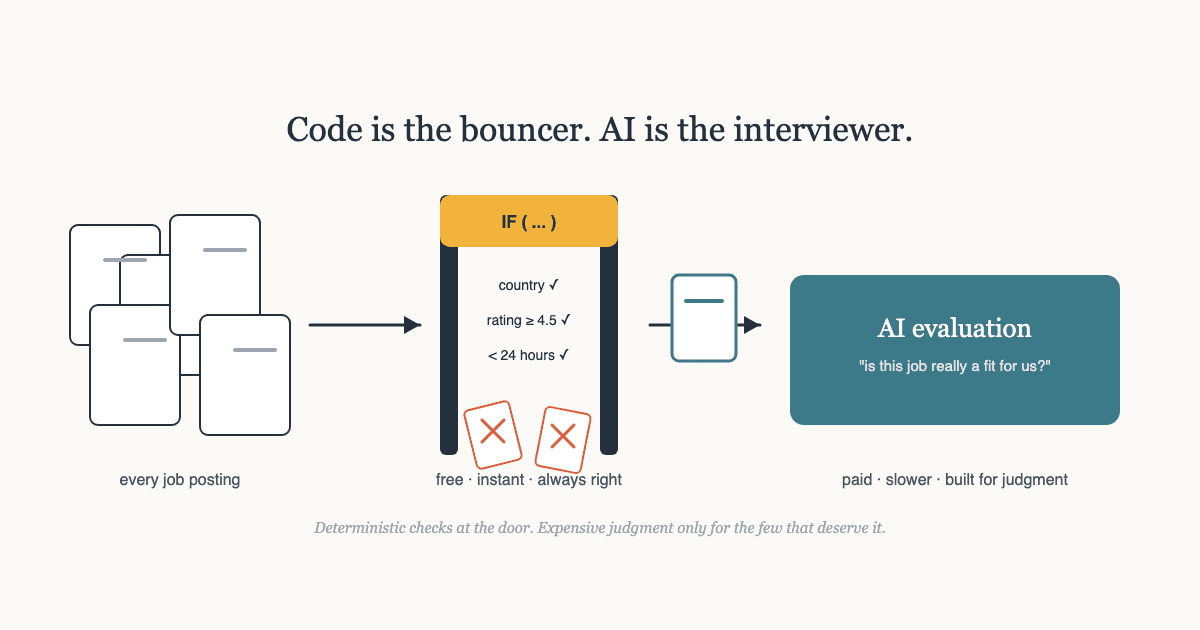
AI writes code fast and makes expensive mistakes silently. A real story from our own automation on why every serious product still needs a CTO-level architect.
Explore more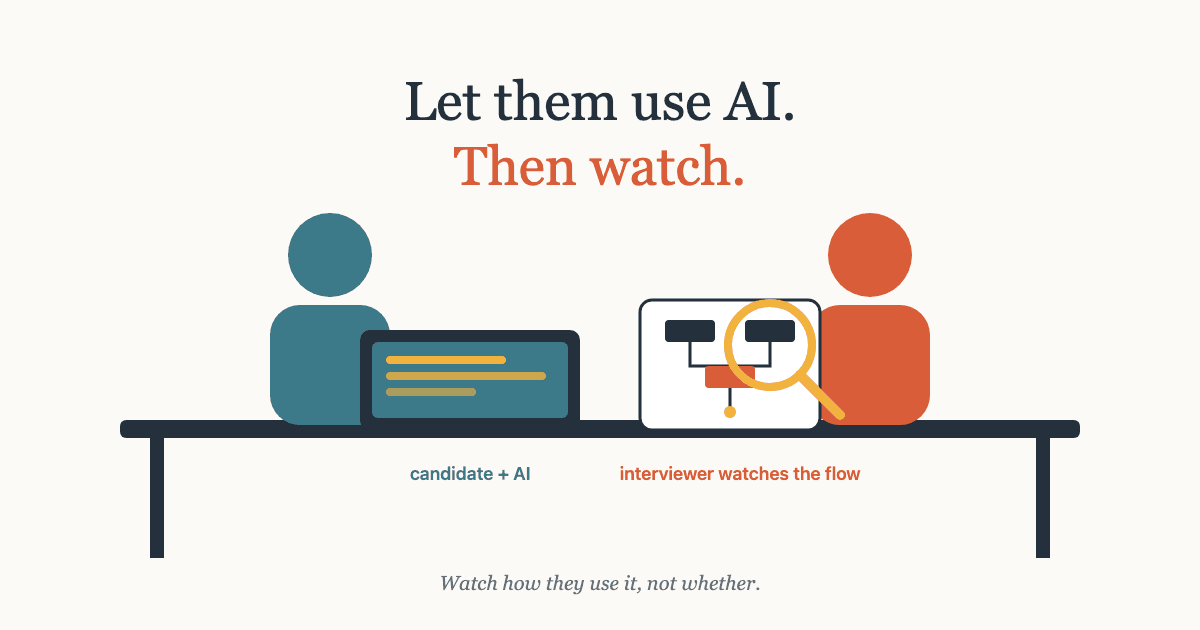
Leetcode is dead. Here is the interview I run after 1000+ hires: the tests that show whether a developer has real judgment or just AI access.
Explore more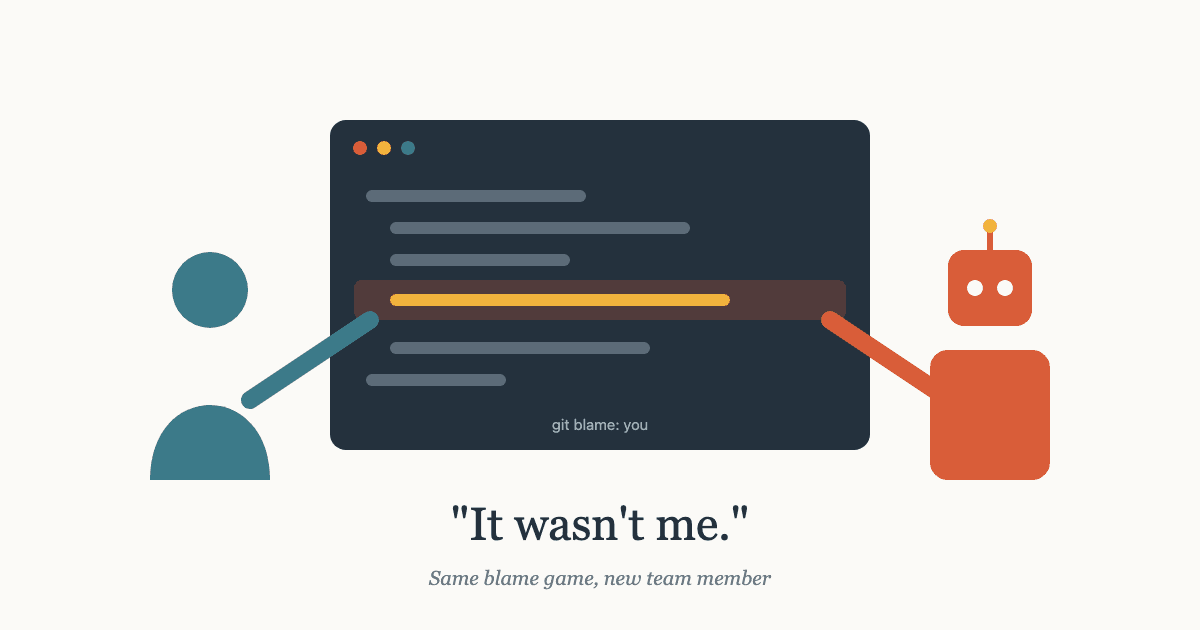
A fully vibe-coded project, a critical bug, and an AI agent that blamed git history. Why AI-generated code still needs an experienced human to verify it.
Explore more