
Our findings
Discover expert insights and industry trends to fuel innovation. Stay updated with the latest strategies and success stories.
What is open source?
By Adil Gulzar · Dec 1, 2024 · 2 min read

Rooted deep within the ever-evolving landscape of modern technology, the term Open Source echoes with freedom, collaboration, and transparency. Just as ancient architects once laid stones for majestic forts open to the skies, developers around the world lay code open for all to see.
Open Source, derived from OSS — open-source software — is not just a license or a label; it is a philosophy. A culture. A way of thinking. The source code, like a map to a hidden treasure, is publicly accessible. Anyone — from seasoned engineers to curious beginners — can read, modify, and enhance it.
Much like the ancient Ranthambore Fort, standing tall in Rajasthan's rugged terrain — built by many hands across generations — open-source projects are constructed collaboratively by countless contributors. These digital monuments grow not in stone, but in logic, innovation, and shared ambition.
Rooted deep within the ever-evolving landscape of modern technology, the term Open Source echoes with freedom, collaboration, and transparency. Rooted deep within the ever-evolving landscape of modern technology, the term Open Source echoes with freedom, collaboration, and transparency.
Open Source, derived from OSS — open-source software — is not just a license or a label; it is a philosophy. A culture. A way of thinking.
Just as the Ranthambore Fort continues to awe generations with its timeless presence, open-source software stands as a living structure of human collaboration and ingenuity. It is maintained not by a single empire, but by a community — wide as the sky, and open as the code itself.
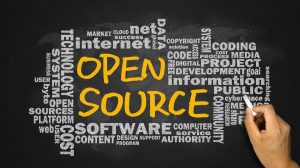
Just as the Ranthambore Fort continues to awe generations with its timeless presence, open-source software stands as a living structure of human collaboration and ingenuity.
Open source is more than a methodology. It is a movement — a digital heritage passed forward. Like the fort’s echoing halls and ancient gateways, open-source projects invite us all in — not just to explore, but to build.
Written by Adil Gulzar
Adil has been building for the web since 2008, before most of the frameworks developers argue about today existed. As a CTO and solution architect, he has worked with 100+ entrepreneurs and shipped 50+ large-scale products, most of them long before AI made building look easy. Today he leads Mango Coders, where companies bring him in for the decisions they cannot afford to get wrong. He writes here between projects. His consultation calendar is deliberately small, so if you can get a slot, take it.
Building your product with AI agents? Get your first week of code review free →
Related Blogs
MongoDB launched in 2007 and became popular within a few years. Let’s discuss how MongoDB changed modern development practices.
Explore more
When you think of an online business you will come across the word SEO and most businesses are aware that SEO is necessary for success.
Explore more
Why is it now the time to learn UI & UX? User Interface (UI) is anything a user may interact with, and User Experience (UX) ensures it is smooth.
Explore more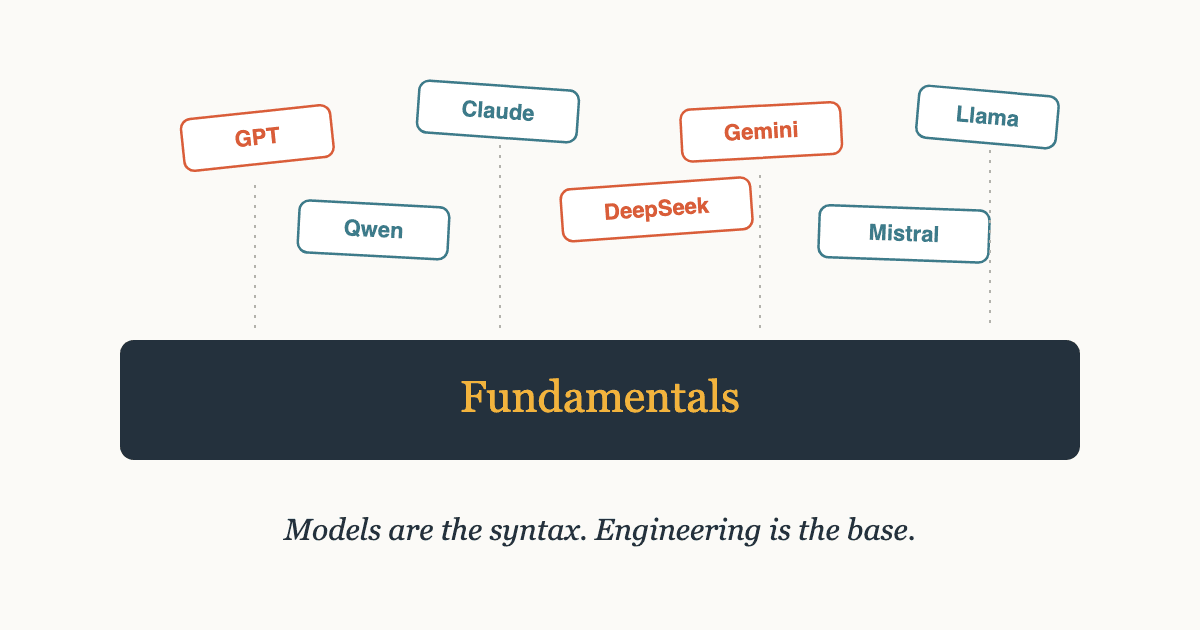
After 18 years watching developers fight over languages, frameworks, and now AI models, here is why fundamentals, not vendor loyalty, make a real AI engineer.
Explore more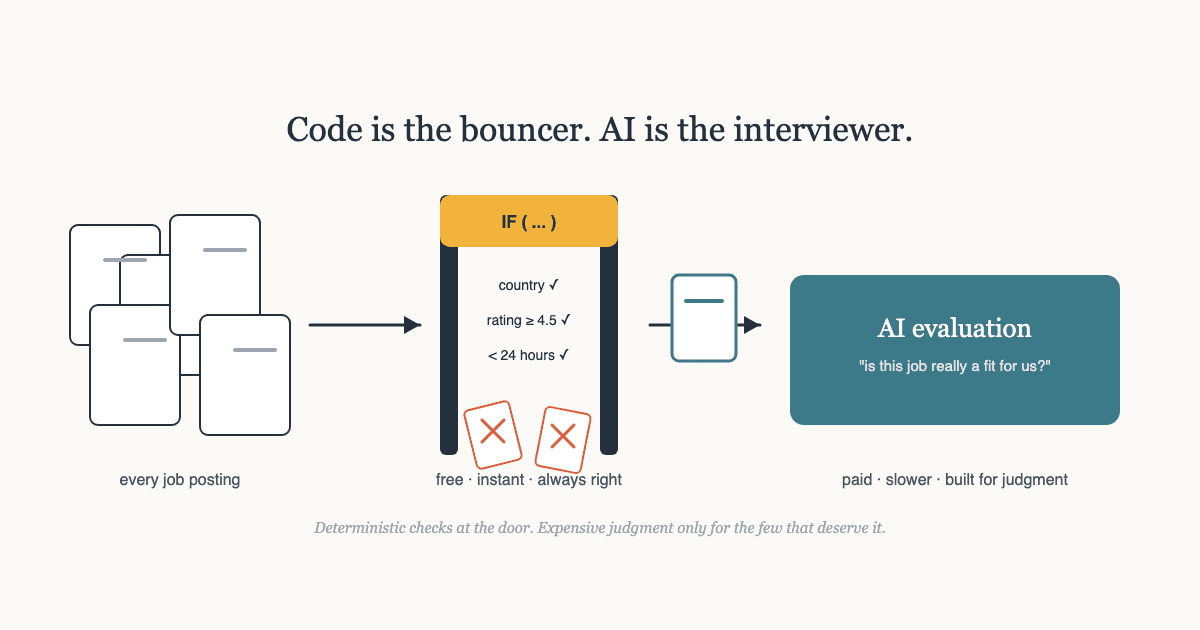
AI writes code fast and makes expensive mistakes silently. A real story from our own automation on why every serious product still needs a CTO-level architect.
Explore more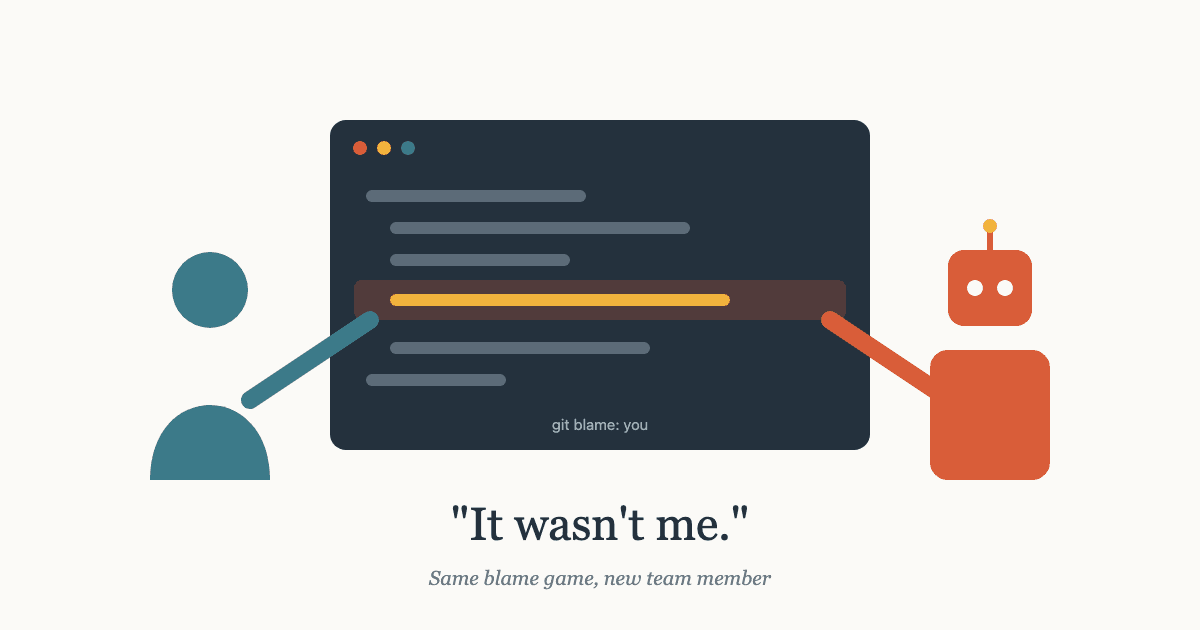
A fully vibe-coded project, a critical bug, and an AI agent that blamed git history. Why AI-generated code still needs an experienced human to verify it.
Explore more