
Our findings
Discover expert insights and industry trends to fuel innovation. Stay updated with the latest strategies and success stories.
Why You Still Need a CTO or Solution Architect in the AI Era
By Adil Gulzar · Sep 1, 2026 · 8 min read
There is a question I hear almost every week now, sometimes directly and sometimes hiding behind another question:
"If AI can write the code, why do I need a senior person at all?"
Fair question. And instead of answering it with theory, let me answer it with something that happened inside my own company, because the best answer I have is a mistake I caught with my own eyes. A mistake made not by a junior developer, but by the AI itself.
I Caught the Answer Inside My Own System
I was building a BD automation system for my agency: automating our business development process, including scanning and filtering job postings so my team only sees the ones worth bidding on.
I let Claude wire up the pipeline. It worked. Jobs came in, got evaluated, good ones came out the other side. Most people would have stopped there. A working demo, right?
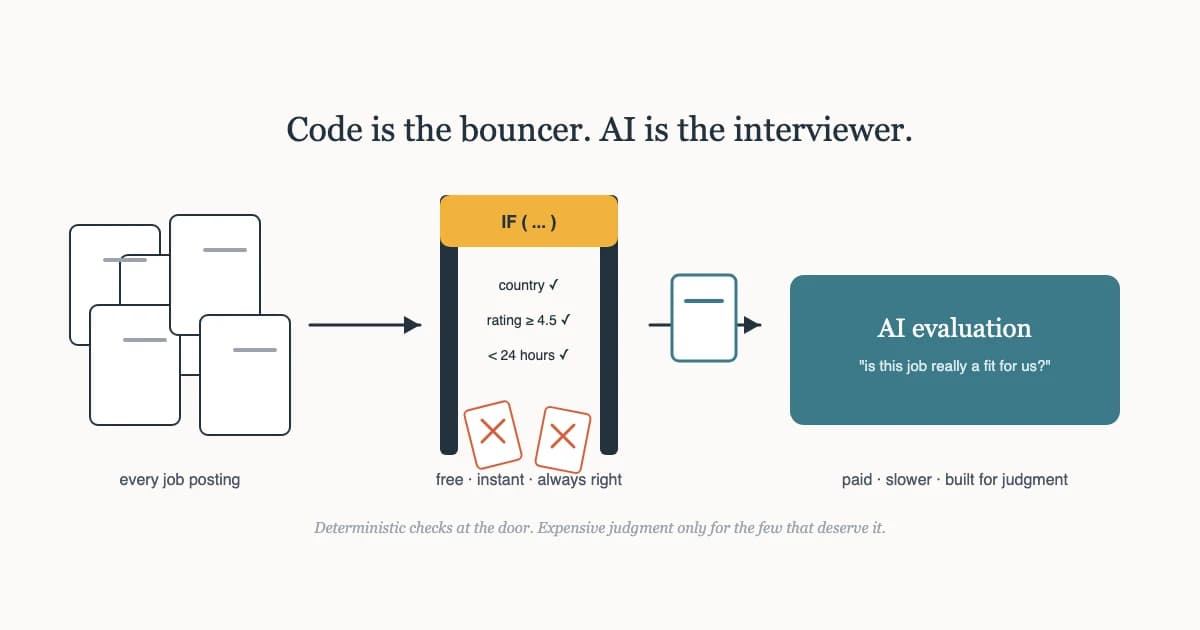
But when I checked how it was evaluating jobs, I found Claude was sending everything to an AI call for validation. The full job data. Every single posting. So I looked at what those "validations" actually were:
- Is the client's country in our target countries list?
- Is the client's review rating 4.5 or higher?
- Was the job posted within the last 24 hours?
Look at those three checks. Every one is a comparison against a field that already exists in the data. country in list. rating >= 4.5. posted within 24 hours. Three if-statements. Microseconds. Free. Correct every single time.
Instead, every job (including the ones from the wrong country, with 3-star clients, posted a week ago) was taking a full paid trip to an AI model to be told what an if-statement already knew.
And here is the part that matters: Claude wasn't wrong. The AI answered those checks correctly almost every time. Give an AI model a toolbox full of AI tools and it will reach for them without thinking. The hammer sees everything as a nail, and now the hammer swings itself. This is not laziness, and it is not only a junior-developer problem. It is the default behavior of the entire AI era.
Which is exactly why the era needs architects.
Silent, Correct, Expensive
This kind of mistake is dangerous precisely because nothing looks broken.
Traditional bad code fails loudly: errors, crashes, wrong outputs. This fails silently, because the AI mostly returns the right answer. Tests pass. The demo works. Nobody notices that the answer cost real money and two seconds when it should have cost nothing and no time.
Run the honest math. Say a system scans a few hundred jobs a day, and three if-statements could eliminate most of them: wrong country, weak client, stale posting. That is thousands of AI calls per month doing work three lines of code do for free. Multiply that pattern across an entire application (every validation, every filter, every formatting task quietly routed through a model) and you get the phenomenon I hear in consultations constantly: "our AI bill is huge and we don't understand why."
AI lowered the price of writing code to almost zero. It did nothing to lower the price of writing the wrong code.
And money is only the visible tax. The hidden ones:
- Latency. Microseconds became seconds. Chain a few of these and your "AI-powered" app feels broken.
- Reliability. An if-statement is correct every time, forever. A model is correct almost every time, and "almost" is a new category of bug that is miserable to debug.
- Fragility. The AI API goes down or rate-limits you, and suddenly your app cannot check whether a number is bigger than 4.5.
The Rule: Code Is the Bouncer, AI Is the Interviewer
The fix in my system took an afternoon, and it is a decision framework simple enough to remember forever:
If the task has one correct answer, write code. If the answer requires judgment, use AI.
Deterministic means logic. Ambiguous means model. That is the whole rule.
First, the bouncer: three if-statements at the door (country, rating, freshness), instant and free, turning away most jobs before anything expensive touches them. Then, the interviewer: only the survivors go to the AI for questions that genuinely need judgment: does this job actually fit our skills? Does the description read like a serious client or a headache? That is work no if-statement can do, and exactly the work AI is worth paying for.
Cheap deterministic gate in front. Expensive judgment behind it. The AI does less work, does it better, costs a fraction, and the pipeline runs faster. Nothing got less intelligent. It got more architected.
Now notice what actually fixed the system. Not better prompts. Not a newer model. A decision about which tool belongs where. That is the answer to the question we started with.
This Is What a CTO Actually Does
People think a CTO writes the hardest code. Wrong era. In 2026, the most valuable thing a CTO or solution architect does is make decisions that don't need to be reversed, and catch the ones that quietly should be.
Because my story is the small, cheap version of a pattern that gets much more expensive. The same "working demo" that hides a wasteful AI call also hides:
- Architecture built for the demo, not for 10,000 users. Fine until the day you succeed.
- Security the AI never thought about, because nobody who knew your data was sensitive told it.
- Vendor lock-in. Everything built on one model, one platform, one API. I have written before about why real AI engineers aren't married to one model; the same discipline applies to whole systems.
- Code nobody on the team truly understands. Not an asset, a liability with a nice UI.
None of these show up in week two. All of them show up in month six, when you have real users and real revenue on the line. AI did not create these problems, but it implements bad decisions at machine speed. AI is an amplifier: it amplifies good architecture into velocity, and bad architecture into a very fast-growing mess. That makes the architect more important, not less.
The questions a senior person asks before a single line is written (what breaks first when this succeeds, which parts should AI generate and which should a human own, what is the data model we cannot cheaply change later, what happens when the vendor changes pricing) are questions AI can help answer, every one of them. But AI will never ask them. It answers the prompt it is given. Knowing which question matters: that is the job. My BD system is proof: the AI executed perfectly and still made the wrong call, because nobody had made the right decision yet.
I Have Seen This Movie Before
If you have read my earlier writing you know I started in 2008, when WordPress themes turned everyone into a "web developer", until the client's business grew and the $40 theme became a prison. Then the mobile boom: template apps, "your app in 7 days," same collapse. Each wave, the tools got easier and the judgment gap got wider. The people who survived understood what was underneath.
Now it is AI's turn, faster and bigger. The tools are genuinely incredible; I use them every day. But the pattern holds: tools get commoditized, judgment doesn't. A developer who understands what computation costs would never route an if-statement through a language model. The ones who do are not making an AI mistake; they are revealing they never learned the fundamentals. AI did not close that gap. It made it billable.
"But I Can't Afford a CTO"
Probably true: a full-time CTO costs more than most early products should spend. But that is a hiring question, not an architecture question. You do not need a CTO on payroll. You need CTO-level judgment at the moments that matter:
- Before you build: the stack, the data model, the AI strategy, the budget reality.
- Before you scale: reviewing what exists, finding the landmines before your users do.
- Before you commit: evaluating that proposal, that platform, that "AI-powered" pitch someone is selling you.
This is exactly why fractional CTOs and product consultation exist. A few focused sessions with someone who has watched systems succeed and fail since 2008 costs a fraction of one bad rebuild, or one year of an AI bill doing if-statement work. When we build AI automation for clients, the first question is never "where can we add AI?" It is the opposite: where can we remove it? And if your product involves AI at all, an honest AI consultation before you build will save you from the two most expensive words in software: start over.
AI writes the code now. Someone still has to answer for it. Make sure that someone exists on your project, before month six makes the decision for you.
Is anyone answering for your AI's decisions?
Wondering how much of your AI spend is doing an if-statement's job, or whether your foundation will survive success? We have been architecting web, mobile, and AI systems since 2008. We will tell you honestly what your project needs, even if the answer is "less than you think."
Get a Free ConsultationBuilding it yourself with AI agents? Get your first week of code review free →
Written by Adil Gulzar
Adil has been building for the web since 2008, before most of the frameworks developers argue about today existed. As a CTO and solution architect, he has worked with 100+ entrepreneurs and shipped 50+ large-scale products, most of them long before AI made building look easy. Today he leads Mango Coders, where companies bring him in for the decisions they cannot afford to get wrong. He writes here between projects. His consultation calendar is deliberately small, so if you can get a slot, take it.
Building your product with AI agents? Get your first week of code review free →
Related Blogs

Open source is a term derived from OSS which is defined as open-source software. Open-source software or you can say its code is publicly accessible
Explore more
MongoDB launched in 2007 and became popular within a few years. Let’s discuss how MongoDB changed modern development practices.
Explore more
When you think of an online business you will come across the word SEO and most businesses are aware that SEO is necessary for success.
Explore more
Why is it now the time to learn UI & UX? User Interface (UI) is anything a user may interact with, and User Experience (UX) ensures it is smooth.
Explore more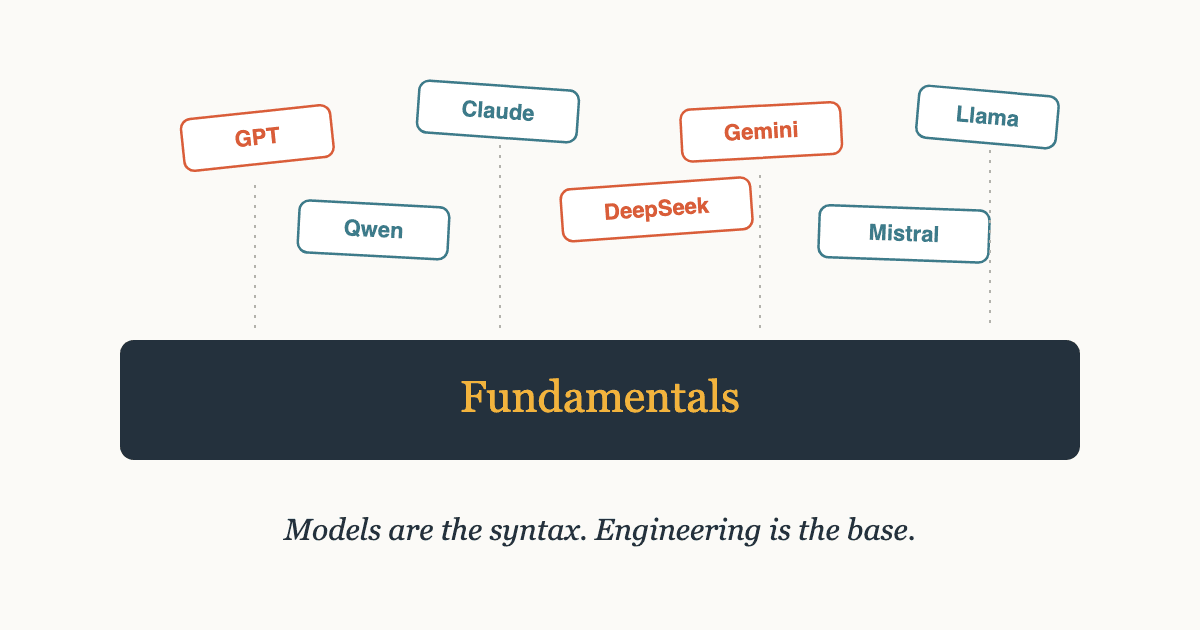
After 18 years watching developers fight over languages, frameworks, and now AI models, here is why fundamentals, not vendor loyalty, make a real AI engineer.
Explore more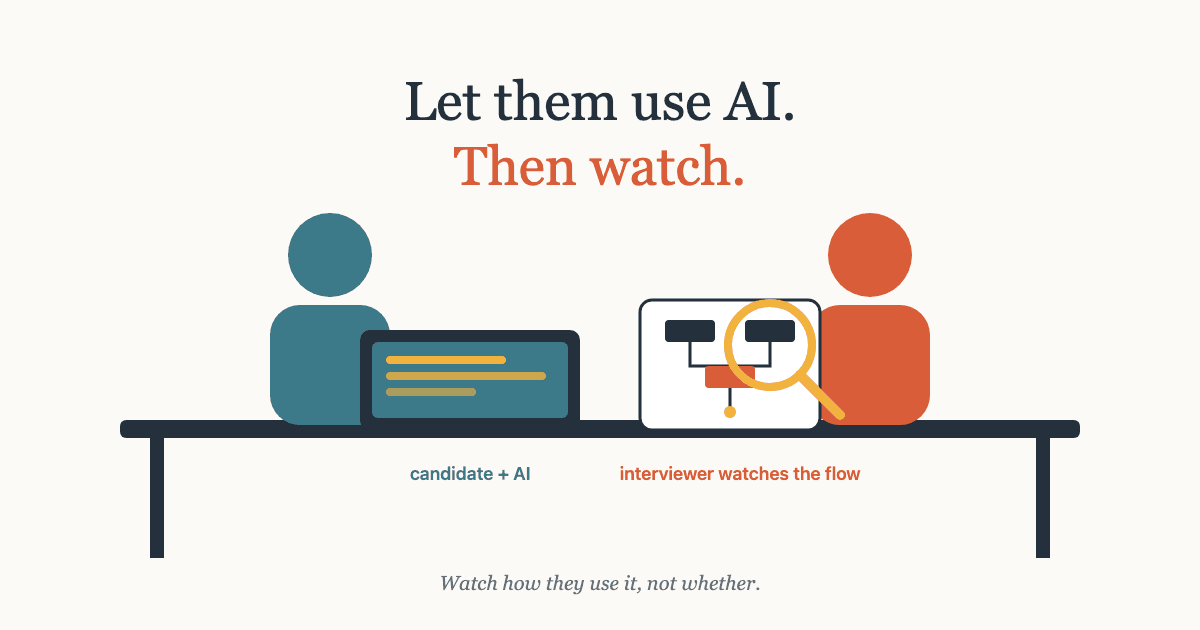
Leetcode is dead. Here is the interview I run after 1000+ hires: the tests that show whether a developer has real judgment or just AI access.
Explore more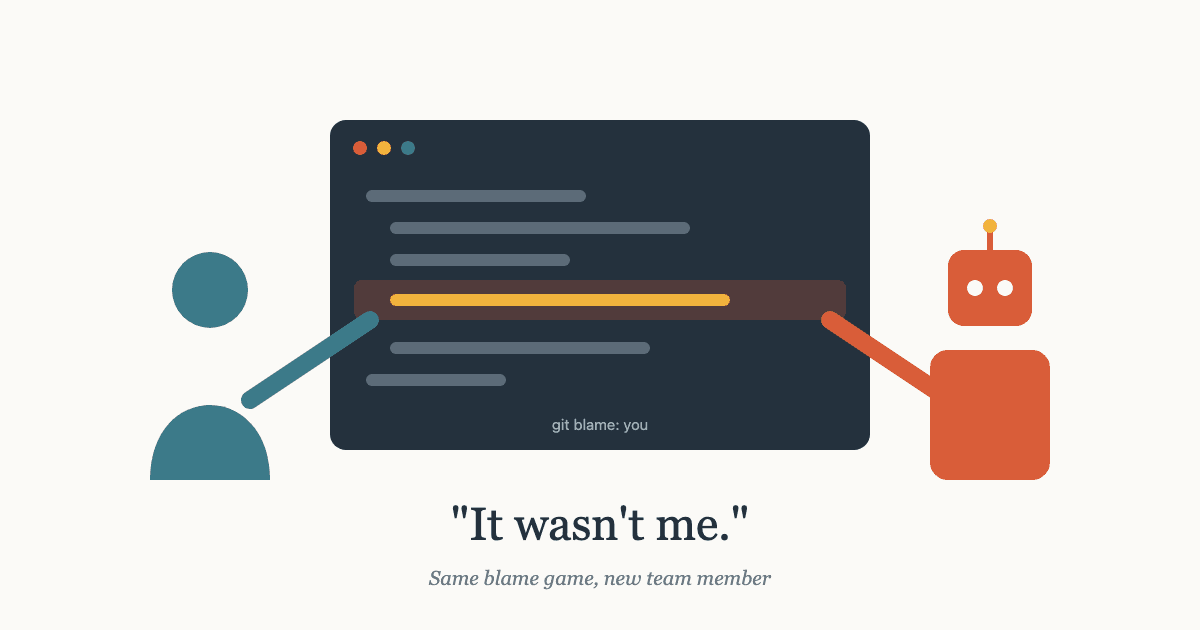
A fully vibe-coded project, a critical bug, and an AI agent that blamed git history. Why AI-generated code still needs an experienced human to verify it.
Explore more